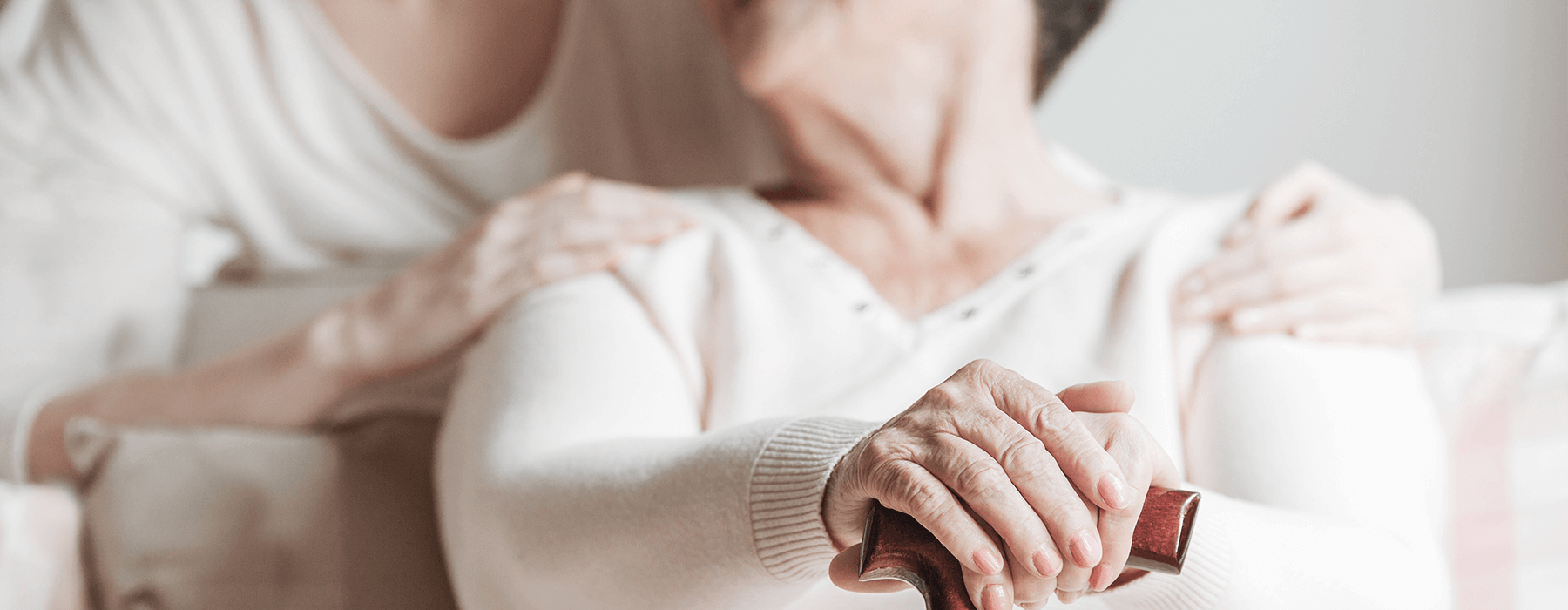
Parkinsons’s disease is a chronic degenerative disorder of the central nervous system normally affecting elderly patients – needs an individualized and stage-adapted medical treatment.
Starting
with “unspecific” symptoms, like muscle pain in the shoulder, fatigue,
depressive symptoms, constipation and/or sleep disorders. The more typical
motor symptoms like shaking (tremor), stiffness (rigor) and slowness of
movements (akinesia) occur within the course of the disease. In the late stages
additional psychiatric symptoms may develop including dementia.
One important
goal of the medicinal therapy is to increase the concentration of the
neurotransmitter dopamine in the brain. Different antiparkinson medications are
therefore available (L-dopa+ carbidopa, dopamine agonists like
piribedil, pramipexol, ropinirol etc.). In later stages of the disease
other medicinal products may be needed to treat the non-motor symptoms.
In some patients
further treatment options, like deep brain stimulation, continuous administration
of L-dopa or the dopamine agonist apomorphine with pump systems may
be needed in advanced disease.
The treatment of parkinsons disease is very complex and needs a lot of experience. Additional supportive measures like physiotherapy, nutrition counselling, physical or speech therapy and many others are important factors and have to be included for a successfull treatment.